
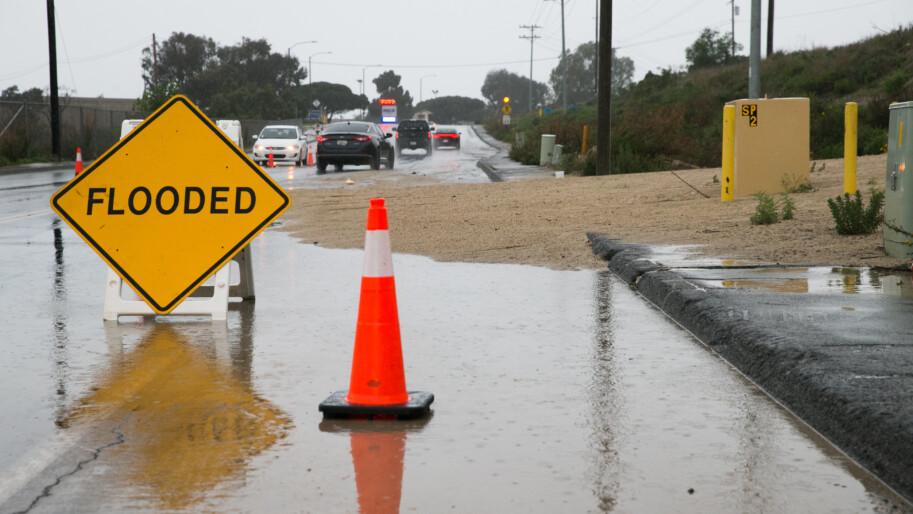
Temperature records continue to fall in California. January to June marked the hottest first half of the year in state history, followed by the hottest August on record. From one extreme to another, Southern California is now reeling from Tropical Storm Rachel, which flooded communities from San Diego to Los Angeles and left more than 7,000 people without power on Sunday.
This is a textbook example of weather whiplash, which scientists have warned will become increasingly frequent and severe as climate change accelerates. And guess what, it’s not over. After Rachel passes through, temperatures are once again expected to reach 100 degrees in Los Angeles, breaking yet more records.
Weather whiplash — especially in a Super El Niño year — poses all kinds of risks, most of which look different depending where in the state you live. But the one thing all Californians have in common right now? Our electricity bills are higher than ever, and climate-fueled extreme weather is a big reason why.
Electricity rates for customers of California’s three main investor-owned utilities — SoCal Edison, San Diego Gas & Electric, and Pacific Gas & Electric — have increased by an average of 89 percent over the last decade. But it’s not just that bills are high. People are frustrated because they’re paying more for poorer service, as California now has the dubious distinction of leading the nation in power outages.
Earlier this summer, my electric bill more than doubled. The same week I received my bill, 3,000 of my neighbors in Los Angeles lost power during a 100-degree heat wave. I’m grateful that my family made it through just fine, but some people experienced intermittent outages over three days, forcing businesses to close and working parents to toss out food.
To keep people safe during extreme weather, we need clean, affordable electricity that Californians can rely on. That’s why it’s so important that Governor Newsom signed SB 913 (Becker), the Clean Local Power Act, along with two other bills — SB 868 (Wiener) and SB 905 (Becker) — that will cut costs, avoid power outages, and clean up air quality. Not only will these policies provide some immediate relief to Californians struggling with their utility bills, they’ll create a foundation for climate action and affordability our next governor can build on.
To learn more about these (and other) new climate laws that just passed in California, join us on October 21 for our next educational webinar: California Climate Policy Recap for 2026: The Good, the Bad, and the Future. I hope you can join us! Until then, stay safe out there.
This article first appeared in The Climate Center’s bi-weekly newsletter. To keep up with the latest climate news and ways to take action for a climate-safe future, subscribe today!