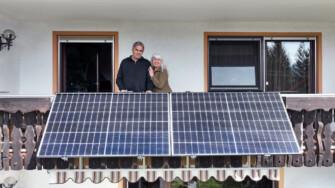

SB 868 (Wiener), The Plug and Play Solar Act, streamlines approvals for plug-in solar, a new form of small-scale solar power that can lower energy costs for millions of California renters.
Electricity prices are skyrocketing in California — in fact, they’ve doubled in the last decade. Plug-in solar (also known as portable solar or balcony solar) offers an easy way for consumers to generate safe, clean, and low-cost electricity using California’s abundant sunshine. A portable solar system, which plugs into a standard outlet, can save a household up to $450 per year. The electricity it generates flows directly to the nearest refrigerator, air conditioner, or other appliance that’s running.
Renters and apartment-dwellers deserve access to clean energy the same way homeowners can access rooftop solar. California has roughly 14 million rental units, 40 percent of all households, making this an especially powerful tool for expanding access to clean energy.
Even though these solar systems are small and safe, corporate utilities are making customers jump through the same regulatory hoops as a power plant or large solar installation. SB 868 will cut red tape and make portable solar accessible to Californians. It’s a win-win: lower energy bills and more accessible clean energy for millions of households in California.
Full bill text and more information.
Committee Status: This bill passed the California State Assembly on August 25 and heads to Governor Newsom’s desk for signature next.