

Bizarre and dangerous. That’s how I saw last month’s record-shattering heat wave that stretched from coastal California to the Great Plains. Temperatures for March exceeded the highest on record by enormous margins in at least 65 cities across multiple states. Some locations even broke records for April and May!
Extreme heat kills and sickens more people than any other form of extreme weather. Since 1999, at least 21,000 people have died in the United States from heat extremes, and that number grows every year. Drier, warmer air also increases the likelihood of disastrous wildfires this summer across the West.
Fossil-fueled climate change is making extreme heat more common, intense, and longer-lasting. In fact, the March heat dome was 800 times more likely because of climate change and would have been virtually impossible without it.
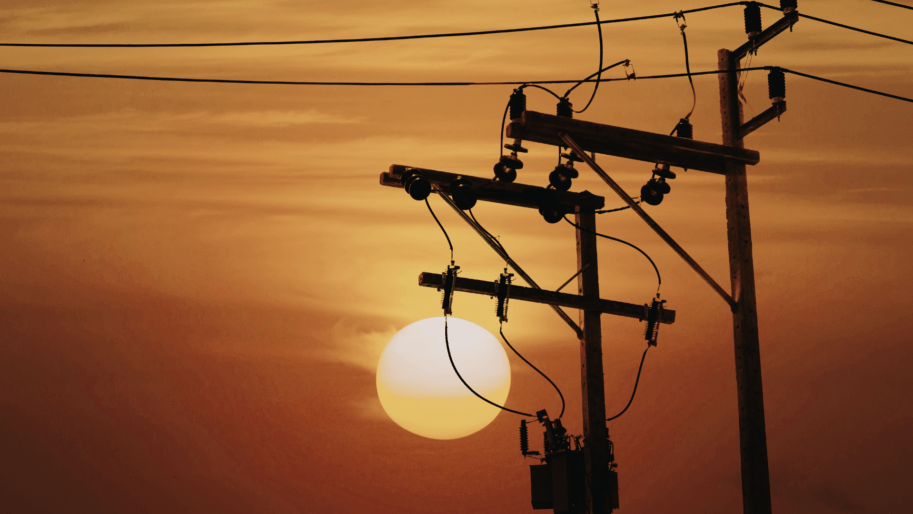
March’s heat wave also drove power outages for thousands of people in San Francisco and Los Angeles County. These outages are especially dangerous for those in urban areas without trees or other natural cooling infrastructure, anyone without air conditioning, and people who rely on medical equipment to stay alive. In addition, the heat dome wiped out California’s snowpack, a critical water source for agriculture and wildlife in the summer months.
The good news is that California has solutions to extreme heat. Policymakers must better prepare California’s electrical grid while also investing in urban greening and other natural climate solutions.
You can help by taking action to support these two bills, both co-sponsored by The Climate Center:
- SB 1282 (Becker) will ensure we can utilize the enormous amount of energy stored in electric vehicle batteries to strengthen the state’s electrical grid, avoid blackouts, support the clean energy transition, and save ratepayers money.
- AB 2184 (Wilson) will invest millions of dollars every year in nature-based climate solutions and sustainable agriculture.
Thank you for joining me in taking action.
This blog first appeared in The Climate Center’s bi-weekly newsletter. To keep up with the latest climate news and ways to take action for a climate-safe future, subscribe today!