
California just experienced the hottest March on record and is on track for one of the wettest Aprils in a decade. We are also in the midst of the second-worst snow drought on record and a historic marine heatwave.
Now, there is a Super El Niño on its way that will very likely bring even more record-breaking extremes this summer, fall, and winter. A Super El Niño is not just a temporary increase in warming but a reset of how global weather works that will likely wreak havoc on agriculture, ecosystems, and our communities — a warming on top of warming that amplifies climate impacts. That means hotter heatwaves, heavier downpours, worse droughts, and deadlier wildfires are all more likely.
Fortunately, nature has provided us with tools to better navigate these perils. From farms and forests to wetlands and cities, I’ve seen firsthand how natural climate solutions can significantly increase our resilience to growing extremes while also cutting emissions, drawing down past climate pollution from the atmosphere, and saving money.
Improving soil health by applying compost, planting cover crops, and integrating animals into farming can help farmers reduce water use and the need for expensive inputs like fertilizers, which in turn lowers pollution and costs for consumers. Prescribed burns can reduce wildfire intensity, cutting pollution and reducing health impacts. And wetland habitat restoration can help communities significantly reduce flood risk, as well as slow the impacts of sea level rise along the coast.
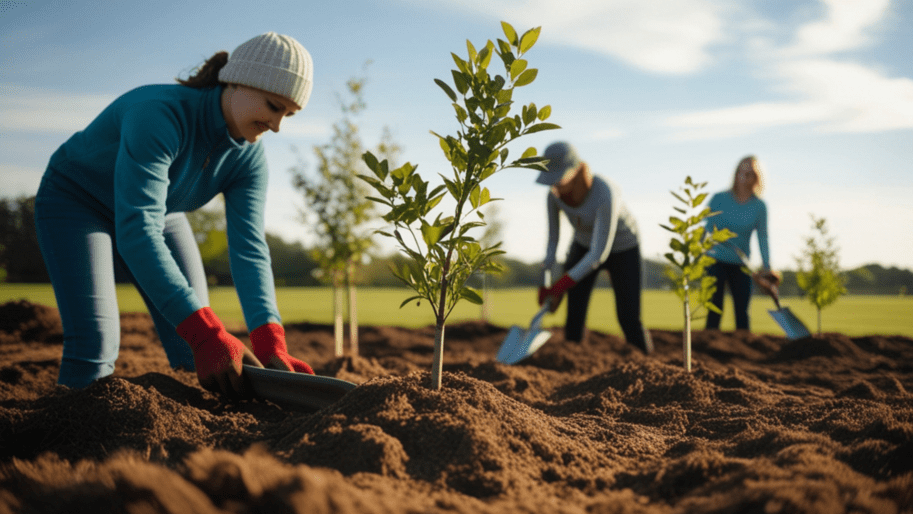
Leveraging nature can also help those living in cities be more resilient to extremes while also cutting costs. For example, urban tree planting can make it feel up to 14 degrees cooler, reducing healthcare costs and expensive air conditioning use. Urban trees also help reduce flooding because their roots and leaves soak up excess stormwater. Additionally, they clean our air by removing significant amounts of carbon dioxide, ozone, air pollution, and particulate matter each year.
Wherever you live, nature’s health is intricately tied to your health and well-being. To hear firsthand from people using nature-based strategies in California, join us for a webinar on May 7, Rooted in Results — Nature-Based Climate Solutions at Work. And take action today by telling your assemblymember to invest in natural climate solutions by supporting AB 2184.
This blog first appeared in The Climate Center’s bi-weekly newsletter. To keep up with the latest climate news and ways to take action for a climate-safe future, subscribe today!