

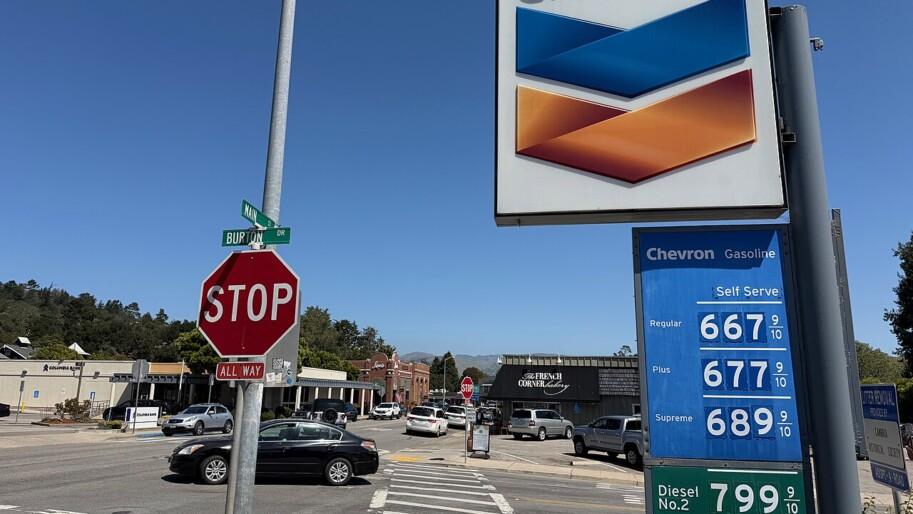
The war in Iran continues to drive fuel prices higher and higher. If the Strait of Hormuz remains closed to shipping traffic, which most experts expect it will, it’s likely that gas prices will hit a record high in the United States.
Fossil fuel corporations are loving it, taking advantage of the conflict to record windfall profits. But what if, instead of letting fossil fuel executives use war to enrich themselves, we took this moment to accelerate the clean energy transition? That’s what’s happening in other parts of the world as governments, businesses, and consumers look to wind, solar, and electric vehicles (EVs) for stability that oil and gas can’t provide.
In Norway, 99 percent of car sales last month were electric; in the United Kingdom EV sales were up 60 percent. Chinese solar exports doubled in a single month, and Vietnam just scrapped plans for a gas plant in favor of investing in wind energy.
California, unfortunately, is missing this chance to double down on clean energy. With gas prices already averaging over $6 per gallon across the state, now is the time to help more people transition to EVs and phase out polluting fossil fuels. But reforms to the state’s signature climate program, Cap and Invest, will slow California’s progress toward 100 percent clean energy.
Later today, the California Air Resources Board will decide on proposed regulations to the Cap and Invest program. These regulations essentially preserve handouts to corporate polluters at the expense of investments in climate, affordable housing, and clean air. They would also mean less revenue for the Greenhouse Gas Reduction Fund, which the state relies on to fund all kinds of climate programs.
Big Oil is set up for a big win in Cap and Invest negotiations, but there are still ways you can take action to hold greedy executives accountable. Send a message today in support of AB 1790 (Connolly), which would eliminate one of the largest multinational corporate tax breaks in California and generate more money to invest in climate solutions!
This blog first appeared in The Climate Center’s bi-weekly newsletter. To keep up with the latest climate news and ways to take action for a climate-safe future, subscribe today!