
SB 1259 requires oil refiners to disclose their decommissioning and cleanup costs before shutting down. It’s a straightforward, common-sense measure to ensure that communities, workers, and taxpayers are not left in the dark when refineries close.
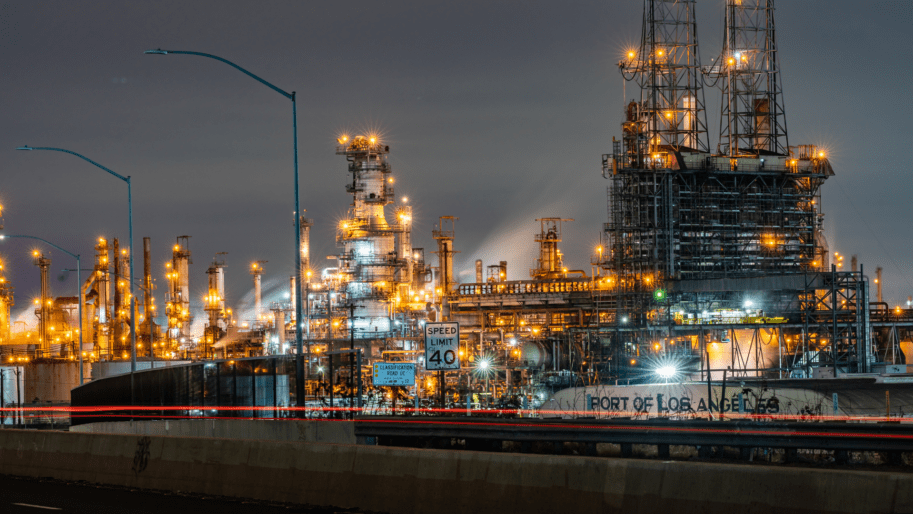
It’s not a question of if oil refineries will close, it’s when. The recent closures of the Phillips 66 refinery in Wilmington and the Valero refinery in Benicia raise concerns about the full costs of closing and decommissioning refineries. A Capital & Main report highlights a 16-foot-thick layer of oil under the Phillips 66 refinery in Wilmington, a result of decades of mismanagement. But there is little publicly available information about the extensive cleanup required, how much it would cost, or how the process would be funded.
Disclosure of the full costs of refinery closures is the first step to ensure taxpayers aren’t left holding the bill. Nearly every other energy sector — from solar and wind to coal and nuclear — is already required to plan and pay for closure. Refineries are the exception. SB 1259 closes that gap in the rules and holds polluters accountable for cleaning up their pollution.
As we transition away from fossil fuels, it is crucial that the state plan ahead for inevitable refinery closures. These polluters have profited off California communities for decades, and it’s time for them to be held accountable for their mess. SB 1259 will improve our air and water quality, protect taxpayers from Big Oil’s cleanup costs, and support California’s transition to a cleaner and more reliable energy future.
Full bill text and more information.
Bill author